
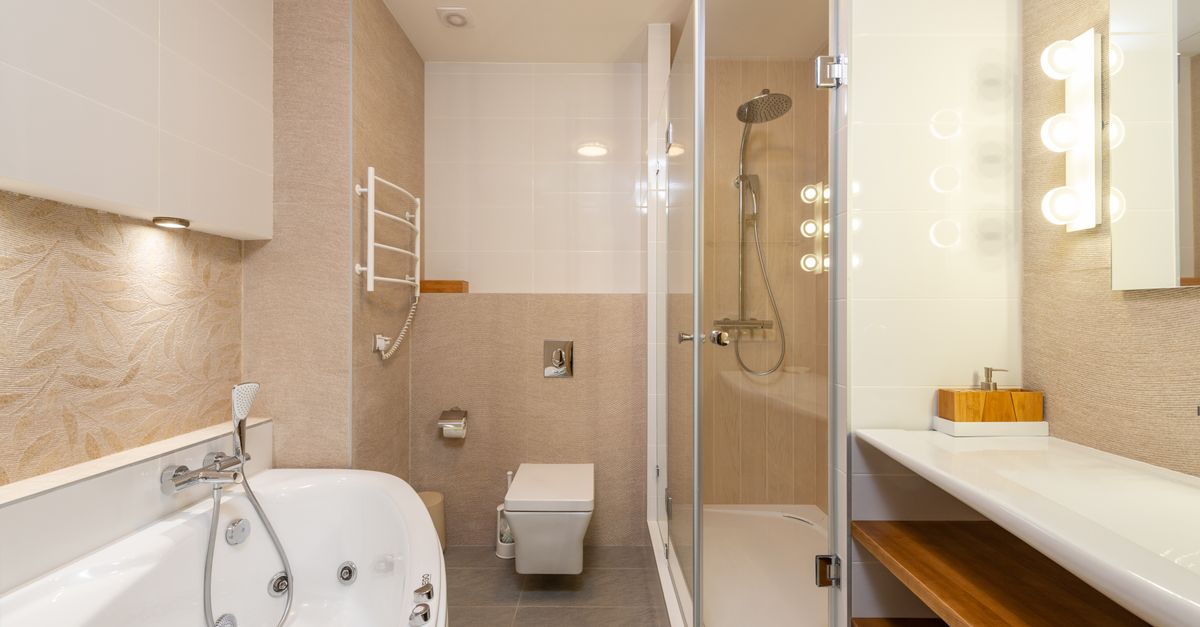
A bathroom renovation can transform one of your home's most-used spaces—but the disruption that comes with it can feel overwhelming. The good news? Smart preparation makes the whole process smoother, faster, and less stressful for your household.
Whether you're doing a complete gut renovation or updating fixtures, taking time to prepare now prevents headaches later. Here's what you need to do before work begins.
Assess Your Current Setup and Plan Access
Before anything else, walk through your bathroom and document what's there. Take photos of the existing layout, fixtures, and any problem areas (water damage, mold, leaks). This gives contractors a baseline and helps you track changes as work progresses.
Next, think about access. Contractors will need a clear path to your bathroom and somewhere to stage materials. Clear hallways, stairwells, and the bathroom doorway of furniture, rugs, and obstacles. If your bathroom is upstairs, ask your contractor whether they'll need to protect floors or walls during material transport.
Also consider water and electrical access. Your contractor needs to know where the main water shut-off valve is located and whether the bathroom has dedicated circuits or shares electrical lines with other rooms. Finding these things out before work starts prevents delays.
Make Hard Decisions About Design and Budget
Major remodels aren't the time to decide what you want mid-project. Lock down your design decisions before contractors arrive, including:
- Tile selections (walls and floors)
- Fixture finishes (chrome, nickel, brushed bronze)
- Paint colors and materials
- Cabinetry style and storage solutions
- Lighting options
Visit showrooms if possible and bring home samples you can view in your actual bathroom lighting. This prevents expensive change orders later.
Set a realistic budget with your contractor and get everything in writing. Ask about typical contingencies—most renovations should have 10–15% buffer for unexpected issues like hidden mold or plumbing problems. Knowing this upfront keeps you financially prepared.
Protect the Rest of Your Home
Bathroom remodels create dust, noise, and debris that easily spread throughout your home. Set up a containment zone to minimize damage elsewhere.
Ask your contractor about their dust control plan. Many will seal the bathroom doorway with plastic sheeting or use temporary walls. If they don't mention it, request it specifically. Dust from drywall, tile cutting, and sanding travels farther than you'd expect.
Move anything valuable or sentimental out of the bathroom and nearby rooms. This includes medications, toiletries, towels, and bath mats—you won't have access to that space for weeks. Set up a temporary bathroom station elsewhere in your home with basics like hand soap, toilet paper, and cleaning supplies.
Cover air vents and return ducts leading from the bathroom to prevent dust infiltration into your HVAC system. Protect adjacent flooring with plywood or heavy-duty paper, especially if contractors will be carrying heavy materials through main living areas.
Arrange Utilities and Permits
Before work starts, confirm that your contractor will handle permits. Most bathroom remodels require permits (plumbing, electrical, sometimes building), and unpermitted work can affect home inspections and insurance claims.
Ask your contractor for copies of permits and inspection schedules. You'll want to know when inspectors are coming so you're not surprised. Also confirm the water shut-off procedure with your contractor in case an emergency happens during work.
If you have a septic system instead of municipal sewage, tell your contractor immediately. This affects plumbing decisions and may require special permits.
Prepare for Noise and Inconvenience
Bathroom renovations are loud. Jackhammering tile, running power tools, and hauling materials create significant noise—typically between 8 a.m. and 5 p.m. on weekdays. If you work from home, plan to relocate during these hours or discuss noise expectations with your contractor.
You'll also be without a bathroom for at least part of the project. If you have one bathroom, this is a major inconvenience. Consider staying with family, arranging a rental unit, or scheduling work during a time when you can manage. If you have multiple bathrooms, the impact is less severe, but you should still know which bathroom is unavailable and for how long.
Hire a Professional You Trust
The most important prep step is choosing the right contractor. Look for someone with bathroom-specific experience, valid licensing, insurance, and strong references. Don't skip the reference calls—ask previous clients about timeliness, communication, and how the contractor handled unexpected issues.
If you're not sure where to start, you can find a vetted bathroom remodeler on Handyman.com to connect with professionals in your area. Once you've selected someone, meet in person and discuss expectations clearly. A good contractor will ask detailed questions and set realistic timelines.
Final Checklist Before Day One
- Confirm start and end dates
- Review the contract and change order process
- Clear bathroom and hallway access
- Move personal items out of the workspace
- Finalize all design selections
- Arrange temporary bathroom solutions if needed
- Set up dust containment with your contractor
- Confirm permit status and inspection schedule
Conclusion
Good preparation doesn't eliminate the disruption of a bathroom renovation, but it dramatically reduces unnecessary delays and stress. By handling logistics, design decisions, and contractor communication upfront, you free yourself to focus on the exciting part: watching your new bathroom come to life. Take the time to prepare now, and you'll thank yourself when the work runs smoothly.


